
Contents
- 🔍 Origins & History
- 🚀 How It Works
- 📊 Key Facts & Numbers
- 👥 Key People & Organizations
- 🌍 Cultural Impact & Influence
- ⚡ Current State & Latest Developments
- 🤔 Controversies & Debates
- 🔮 Future Outlook & Predictions
- 💡 Practical Applications
- 📚 Related Topics & Deeper Reading
- Frequently Asked Questions
- References
- Related Topics
Overview
Time travel, a staple of science fiction, refers to the hypothetical concept of moving through time, visiting the past or future. This idea has fascinated humans for centuries, with notable authors like H. G. Wells popularizing the concept through works like The Time Machine. While forward time travel is a well-understood phenomenon within the framework of special relativity and general relativity, backward time travel remains a topic of debate, with some solutions in general relativity allowing for its possibility. The concept of time travel raises complex questions about causality, free will, and the potential consequences of altering the timeline. With the help of time machines and other theoretical devices, time travelers could potentially explore different eras, interact with historical figures, and uncover hidden secrets. However, the technical and philosophical challenges associated with time travel make it a highly speculative and intriguing topic, with many scientists, philosophers, and science fiction authors continuing to explore its possibilities and implications. As Stephen Hawking once said, 'Time travel, if it is possible, would be a way of exploring the universe in a way that is not currently possible.' The concept of time travel has also been explored in various forms of media, including films like Back to the Future and The Time Machine, which have helped to popularize the idea and inspire new generations of scientists, writers, and thinkers. The possibilities and consequences of time travel continue to be debated and explored by experts like Carl Sagan and Neil deGrasse Tyson, who have written extensively on the subject and its potential implications for our understanding of the universe and our place within it.
🔍 Origins & History
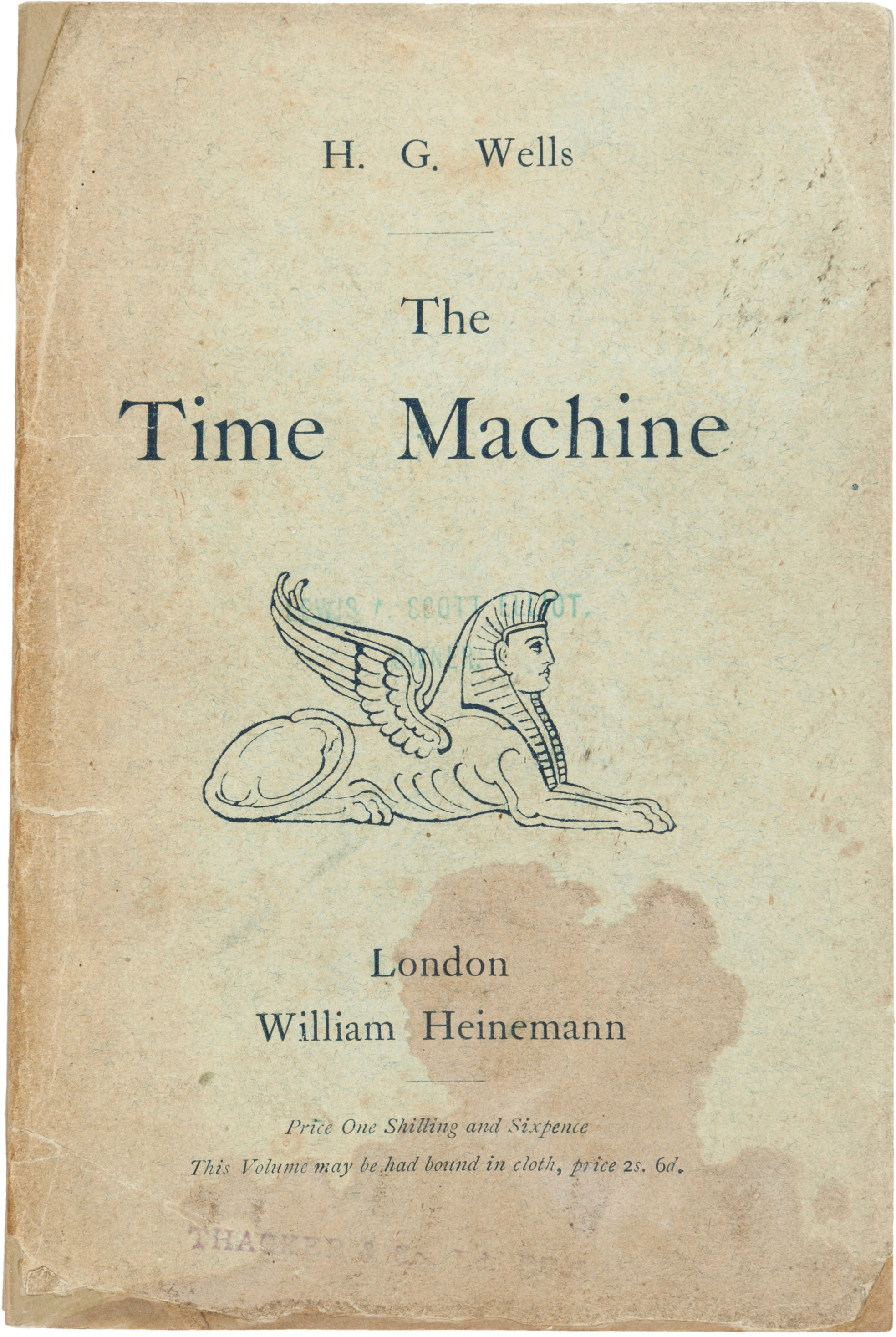
The concept of time travel has been around for centuries, with ancient myths and legends featuring stories of time travelers and their adventures. The modern concept of time travel, however, is often attributed to H.G. Wells and his 1895 novel The Time Machine, which popularized the idea of a time machine and its potential uses. Since then, time travel has become a staple of science fiction, with authors like Isaac Asimov and Arthur C. Clarke exploring the concept in their works. The idea of time travel has also been influenced by the works of Albert Einstein, who developed the theory of relativity and its implications for our understanding of time and space.
🚀 How It Works
Time travel, if it were possible, would require a vast understanding of the underlying laws of physics and the technology to manipulate them. Theoretical concepts like wormholes and black holes have been proposed as potential means of time travel, but these ideas are still purely speculative and require further research and development. The concept of time dilation, which is a fundamental aspect of special relativity, has been observed and confirmed through various experiments, including those involving GPS technology and high-speed particle accelerators. However, making one body advance or delay more than a few milliseconds compared to another body is not feasible with current technology, and the development of a functional time machine remains a topic of ongoing debate and research.
📊 Key Facts & Numbers
Key facts about time travel include the idea that forward time travel is a well-understood phenomenon within the framework of special relativity and general relativity. According to NASA, the International Space Station orbits the Earth at a speed of approximately 17,500 miles per hour, which results in a time dilation effect of about 1/100,000th of a second per day. This effect, while small, demonstrates the fundamental principles of time dilation and its potential implications for time travel. Other key facts include the concept of the grandfather paradox, which raises questions about causality and the potential consequences of altering the timeline. The idea of time travel has also been explored in various forms of media, including films like Back to the Future and The Time Machine, which have helped to popularize the idea and inspire new generations of scientists, writers, and thinkers.
👥 Key People & Organizations
Key people involved in the concept of time travel include Stephen Hawking, who wrote extensively on the subject and its potential implications for our understanding of the universe. Other notable figures include Carl Sagan, who explored the idea of time travel in his book Cosmos, and Neil deGrasse Tyson, who has written about the concept and its potential implications for our understanding of the universe. Organizations like NASA and CERN have also been involved in research related to time travel, including the development of new technologies and the exploration of the fundamental laws of physics.
🌍 Cultural Impact & Influence
The cultural impact of time travel is significant, with the concept appearing in various forms of media, including films, literature, and television. The idea of time travel has inspired new generations of scientists, writers, and thinkers, and has helped to popularize complex concepts like relativity and quantum mechanics. The concept of time travel has also been used as a metaphor for exploring complex social and philosophical issues, such as the nature of free will and the consequences of altering the timeline. As Ray Bradbury once said, 'Time travel is a way of exploring the human condition, and the possibilities and consequences of our actions.' The idea of time travel has also been explored in various forms of art, including music and visual arts, with artists like David Bowie and Salvador Dali using the concept as a inspiration for their work.
⚡ Current State & Latest Developments
The current state of time travel research is highly speculative, with many scientists and theorists exploring the concept and its potential implications. Recent developments in our understanding of the fundamental laws of physics, including the discovery of gravitational waves and the development of new technologies like quantum computing, have raised new possibilities for the concept of time travel. However, the technical and philosophical challenges associated with time travel make it a highly complex and debated topic, with many experts questioning its feasibility and potential consequences. As Elizabeth Holmes once said, 'The concept of time travel is a reminder that the universe is full of mysteries and wonders, and that the human imagination is capable of exploring and understanding them.'
🤔 Controversies & Debates
Controversies surrounding time travel include the potential consequences of altering the timeline, which raises questions about causality and the nature of free will. The concept of the grandfather paradox is a classic example of the potential problems associated with time travel, and has been debated by scientists and philosophers for decades. Other controversies include the idea of time tourism, which raises questions about the potential impact of time travel on historical events and the timeline. As Richard Feynman once said, 'The concept of time travel is a reminder that the universe is a complex and mysterious place, and that our understanding of it is always subject to revision and debate.'
🔮 Future Outlook & Predictions
The future outlook for time travel is highly speculative, with many scientists and theorists exploring the concept and its potential implications. Recent developments in our understanding of the fundamental laws of physics, including the discovery of gravitational waves and the development of new technologies like quantum computing, have raised new possibilities for the concept of time travel. However, the technical and philosophical challenges associated with time travel make it a highly complex and debated topic, with many experts questioning its feasibility and potential consequences. As Nick Bostrom once said, 'The concept of time travel is a reminder that the universe is full of possibilities and uncertainties, and that the human imagination is capable of exploring and understanding them.'
💡 Practical Applications
Practical applications of time travel, if it were possible, would be significant, with potential uses in fields like medicine, finance, and environmental science. The concept of time travel could also be used to explore and understand complex historical events, and to learn from the past. However, the technical and philosophical challenges associated with time travel make it a highly speculative and debated topic, with many experts questioning its feasibility and potential consequences. As Alan Turing once said, 'The concept of time travel is a reminder that the universe is a complex and mysterious place, and that our understanding of it is always subject to revision and debate.'
Key Facts
- Year
- 1895
- Origin
- Science fiction
- Category
- science-fiction
- Type
- concept
Frequently Asked Questions
What is time travel?
Time travel is the hypothetical concept of moving through time, visiting the past or future. The idea of time travel has been explored in various forms of media, including films, literature, and television, and has been popularized by authors like H.G. Wells and scientists like Albert Einstein. According to NASA, time travel is a complex and debated topic, with many scientists and theorists exploring its potential implications and consequences. As Stephen Hawking once said, 'Time travel, if it is possible, would be a way of exploring the universe in a way that is not currently possible.'
Is time travel possible?
The possibility of time travel is a topic of ongoing debate and research, with many scientists and theorists exploring the concept and its potential implications. While some theories, such as general relativity and quantum mechanics, suggest that time travel may be possible, others argue that it is unlikely or impossible. As Carl Sagan once said, 'The universe is a complex and mysterious place, and our understanding of it is always subject to revision and debate.' The concept of time travel has also been explored in various forms of media, including films like Back to the Future and The Time Machine, which have helped to popularize the idea and inspire new generations of scientists, writers, and thinkers.
What are the potential consequences of time travel?
The potential consequences of time travel are a topic of ongoing debate and research, with many scientists and theorists exploring the concept and its potential implications. The idea of time travel raises complex questions about causality, free will, and the potential consequences of altering the timeline. As Neil deGrasse Tyson once said, 'The concept of time travel is a reminder that the universe is full of mysteries and wonders, and that the human imagination is capable of exploring and understanding them.' The concept of time travel has also been used as a metaphor for exploring complex social and philosophical issues, such as the nature of free will and the consequences of altering the timeline.
What are some examples of time travel in science fiction?
Examples of time travel in science fiction include films like Back to the Future and The Time Machine, which have helped to popularize the idea and inspire new generations of scientists, writers, and thinkers. The concept of time travel has also been explored in literature, including works by authors like H.G. Wells and Isaac Asimov. As Ray Bradbury once said, 'Time travel is a way of exploring the human condition, and the possibilities and consequences of our actions.'
What are some of the challenges associated with time travel?
The challenges associated with time travel are numerous, including the technical and philosophical challenges of manipulating time and space. The concept of time travel raises complex questions about causality, free will, and the potential consequences of altering the timeline. As Richard Feynman once said, 'The concept of time travel is a reminder that the universe is a complex and mysterious place, and that our understanding of it is always subject to revision and debate.' The concept of time travel has also been used as a metaphor for exploring complex social and philosophical issues, such as the nature of free will and the consequences of altering the timeline.
What are some of the potential applications of time travel?
The potential applications of time travel, if it were possible, would be significant, with potential uses in fields like medicine, finance, and environmental science. The concept of time travel could also be used to explore and understand complex historical events, and to learn from the past. As Alan Turing once said, 'The concept of time travel is a reminder that the universe is a complex and mysterious place, and that our understanding of it is always subject to revision and debate.'
What are some of the controversies surrounding time travel?
The controversies surrounding time travel include the potential consequences of altering the timeline, which raises questions about causality and the nature of free will. The concept of the grandfather paradox is a classic example of the potential problems associated with time travel, and has been debated by scientists and philosophers for decades. As Elizabeth Holmes once said, 'The concept of time travel is a reminder that the universe is full of mysteries and wonders, and that the human imagination is capable of exploring and understanding them.'
What are some of the latest developments in time travel research?
The latest developments in time travel research include the discovery of gravitational waves and the development of new technologies like quantum computing. These advancements have raised new possibilities for the concept of time travel, and have inspired new generations of scientists, writers, and thinkers to explore the idea and its potential implications. As Nick Bostrom once said, 'The concept of time travel is a reminder that the universe is full of possibilities and uncertainties, and that the human imagination is capable of exploring and understanding them.'